Interior Designer
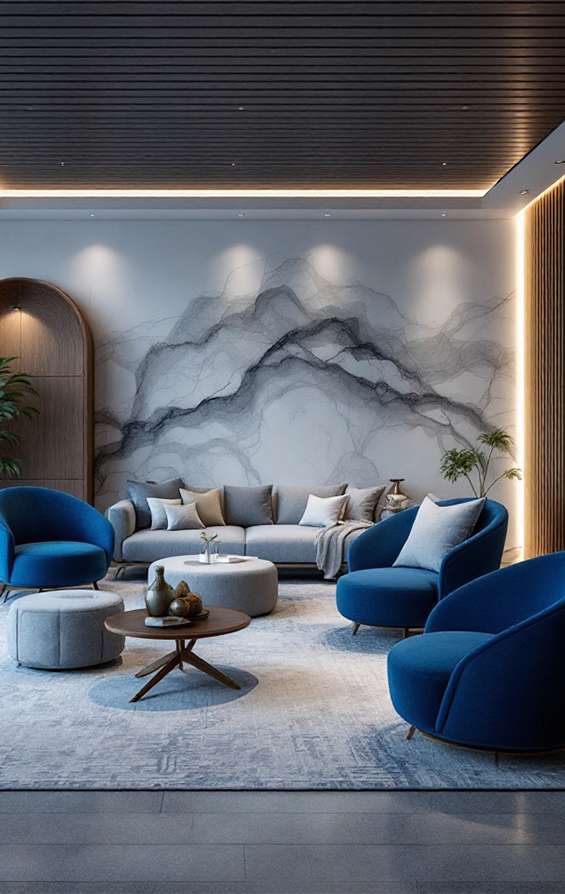
At the heart of Middle Eastern interior design lies the concept of hospitality. Homes are often designed to welcome guests warmly while maintaining a clear separation between public and private spaces. This psychological need for privacy influences the layout of interiors, where majlis areas or guest lounges are distinct from family living areas. An experienced interior designer understands how to balance openness with seclusion, ensuring that spaces are both inviting and respectful of cultural values.
Luxury Furniture
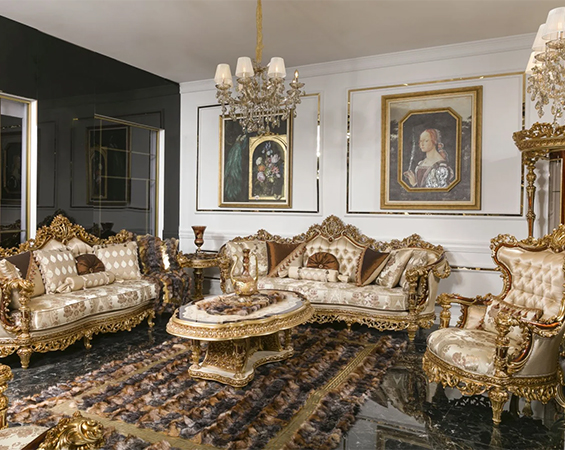
Luxury is another defining psychological factor. In the Middle East, interiors often reflect success, status, and refined taste. This is where luxury furniture becomes essential. Rich fabrics, intricate detailing, and high-quality materials create a sense of opulence that appeals to the desire for prestige and comfort. However, luxury is not only about appearance—it is also about how a space feels. Soft textures, ambient lighting, and thoughtfully arranged furniture contribute to a calming and indulgent atmosphere.
Wardrobes
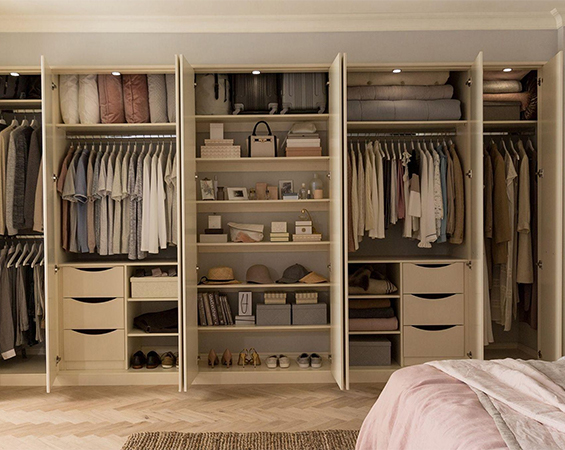
Storage solutions such as wardrobes are also influenced by lifestyle and cultural preferences. In many Middle Eastern homes, clothing and personal items are valued not just for utility but also for presentation. Walk-in wardrobes or custom-built storage units provide both organization and a sense of personal luxury. The psychology behind this lies in the desire for order, ease, and a private space that reflects individual identity.
Kitchen Design
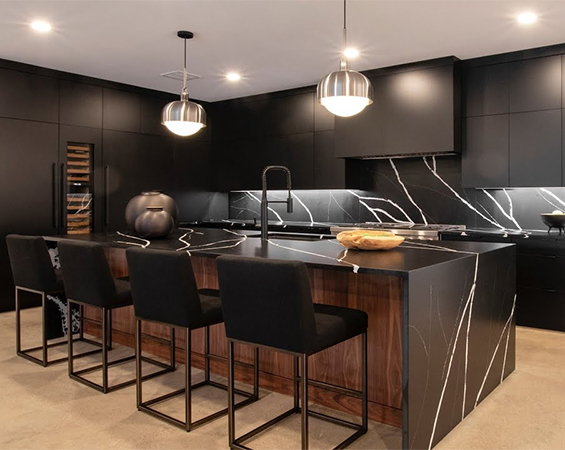
Kitchen design in the Middle East carries both functional and social significance. Kitchens are not only places for cooking but also spaces where family interactions take place. In larger homes, there may be separate kitchens for heavy cooking and light preparation, reflecting practical needs and cultural habits. A well-designed kitchen considers workflow, accessibility, and aesthetics, ensuring that the space supports both efficiency and connection. The use of premium materials, modern appliances, and elegant finishes enhances the overall experience.
TV console
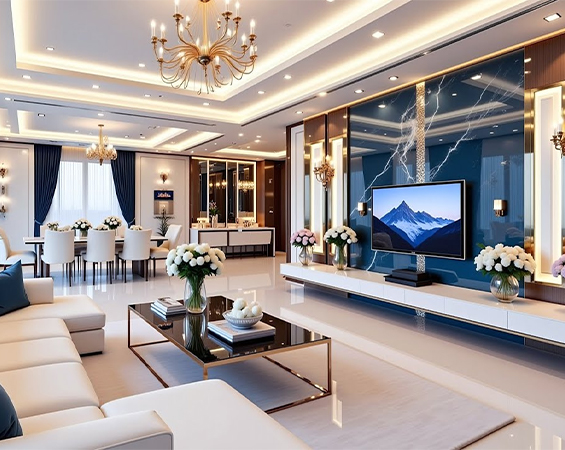
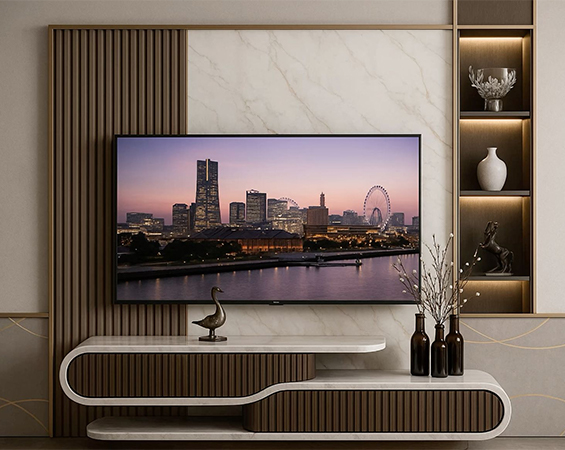
The TV console area serves as a focal point in many living rooms, reflecting the importance of family bonding and entertainment. Psychologically, this space is associated with relaxation and shared experiences. A thoughtfully designed TV console integrates storage, style, and functionality, creating a balanced environment that encourages comfort without clutter. The choice of colors, textures, and layout can influence mood, making the space feel either energetic or serene.
Flooring
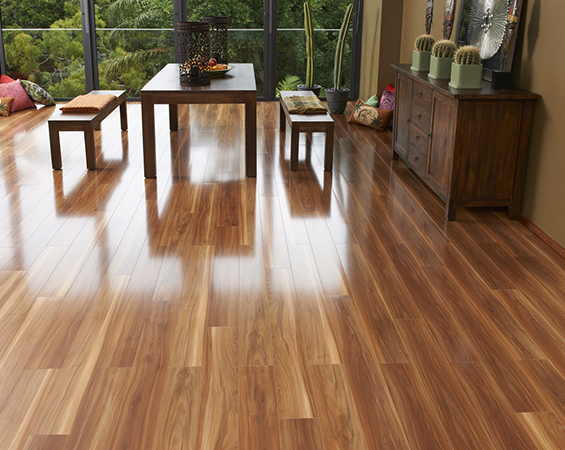
Flooring is another critical element that impacts both the visual and sensory experience of a space. In Middle Eastern interiors, flooring often combines practicality with elegance. Marble, porcelain tiles, and high-quality wood finishes are commonly used to create a sense of grandeur while remaining suitable for the climate. The psychology behind flooring choices involves durability, ease of maintenance, and the desire for cool, comfortable surfaces in warmer regions. Rugs and carpets are often layered to add warmth and cultural character.
Bathroom Design
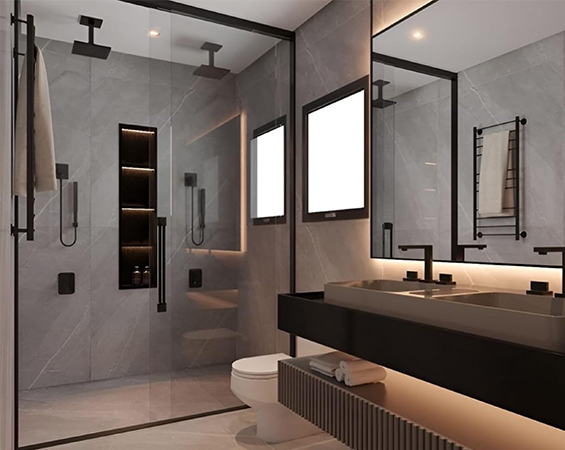
Bathroom design in the Middle East emphasizes relaxation, cleanliness, and luxury. Bathrooms are increasingly being transformed into spa-like retreats, reflecting a growing desire for self-care and tranquility. Features such as rainfall showers, soaking tubs, and high-end fixtures contribute to a sense of indulgence. From a psychological perspective, a well-designed bathroom offers a private escape from daily stress, promoting mental and physical well-being.
Commercial And Offices
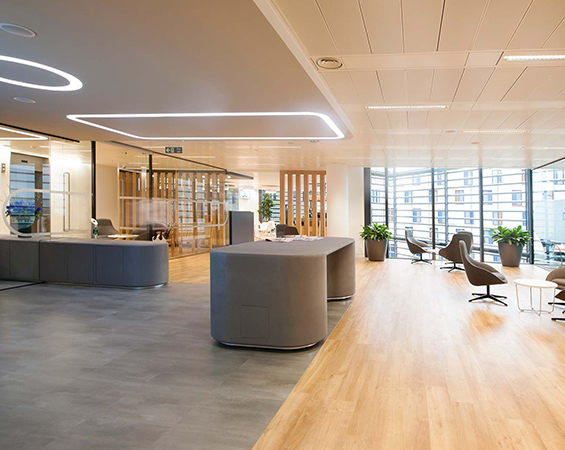
In commercial and offices spaces, the psychology of interior design shifts slightly but still retains key cultural elements. Businesses in the Middle East often prioritize impressive, well-designed interiors to reflect professionalism and success. Reception areas, meeting rooms, and workspaces are carefully planned to create a strong first impression while supporting productivity. An interior designer must consider factors such as lighting, ergonomics, and spatial flow to ensure that the environment enhances both employee performance and client perception.
Bespoke Interior Designing Company
As a bespoke interior designing company like Craftaura plays a crucial role in translating these psychological insights into tangible design solutions. Customization is at the core of this process. Every client has unique preferences, and bespoke design allows for the creation of spaces that align perfectly with their lifestyle, values, and aspirations. Whether it’s designing custom wardrobes, selecting luxury furniture, or planning an entire home layout, the focus is always on personalization and attention to detail.
Lighting is another powerful tool in shaping the psychological impact of a space. Layered lighting, including ambient, task, and accent lighting, helps create different moods and highlight key design elements. Chandeliers, pendant lights, and decorative fixtures are commonly used to add a touch of elegance and drama, reinforcing the sense of luxury.
Ultimately, the psychology of Middle Eastern interior design is about more than aesthetics. It is about creating environments that support well-being, reflect cultural identity, and enhance daily living. From kitchen design and bathroom design to flooring and TV console arrangements, every detail contributes to a cohesive and meaningful space.
For Craftaura, located in the heart of Middle-East Dubai, embracing these psychological principles ensures that each project goes beyond design to deliver an experience. As a bespoke interior designing company, the goal is to craft interiors that are not only visually stunning but also deeply connected to the people who live and work in them. By understanding the cultural and emotional drivers behind design choices, Craftaura can create spaces that truly resonate, offering comfort, luxury, and a lasting sense of belonging.